
By Wema Hoover
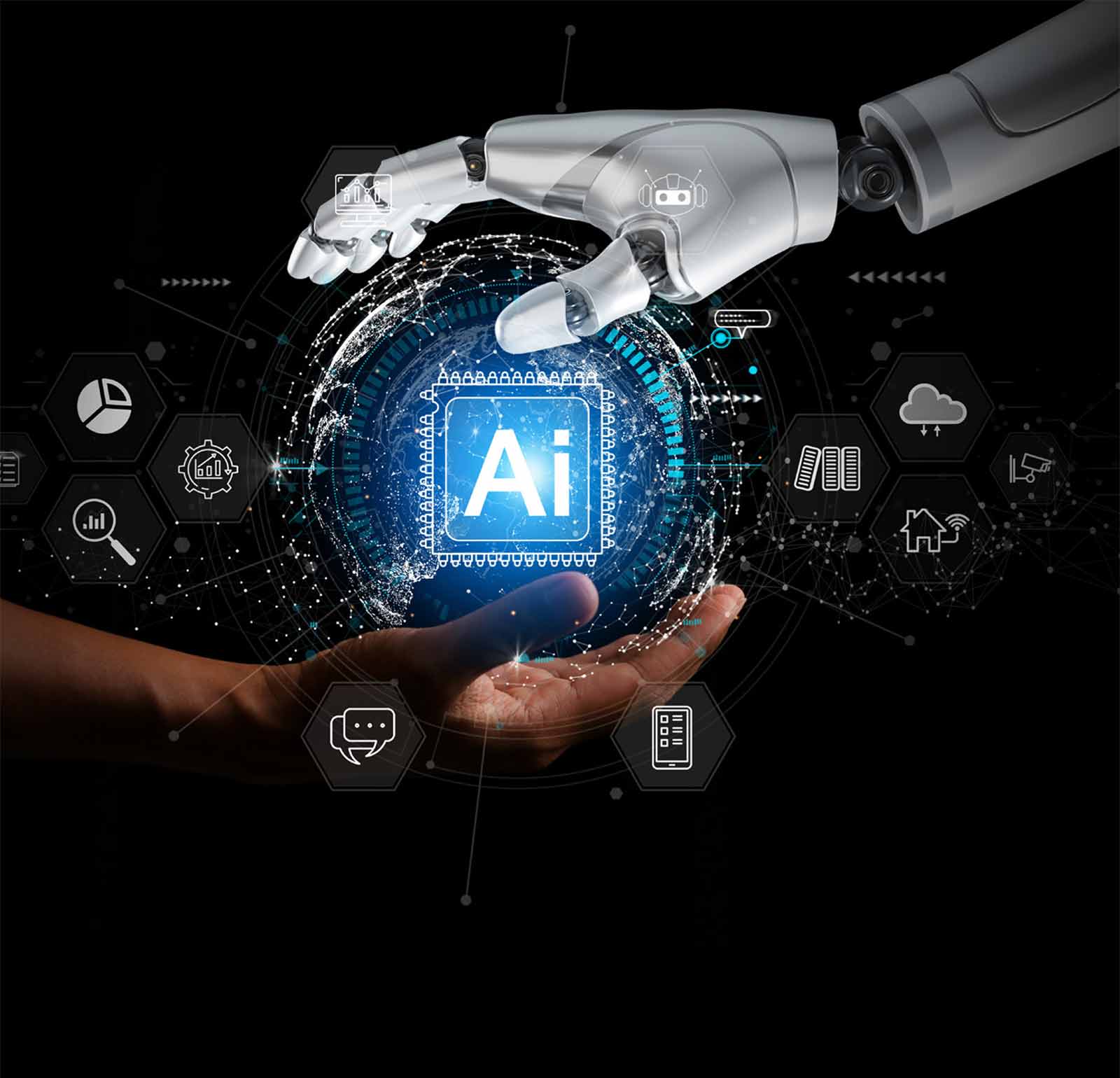
There’s an elephant in the room that many organizations are still reluctant to acknowledge: AI is here, already working alongside your employees and reshaping how business gets done. The question isn’t whether AI will transform your workforce—it’s whether you’re going to lead that transformation or be swept along by it. The extent of this shift cannot be overstated: A recent Gallup study found that the percentage of U.S. employees using AI in their jobs at least a few times per year has nearly doubled in just two years, rising from 21% to 40%. The pace at which AI is infiltrating daily workflows, often without formal direction from leadership, demands a new kind of organizational self-awareness and responsiveness.
There’s a lack of acknowledgement that AI is here, but the truth is that it has been a silent employee, that’s not so silent anymore. The reality is that AI is being highly used across organizations in countless ways, and the individual employee has become the bridge, bringing AI capability into business processes whether leadership formally recognizes it or not.
While supporting organizations to navigate this shift, I’ve observed a fundamental disconnect. Although companies are investing astronomical amounts in AI capabilities, we recently saw tech giants like Meta and Google make record purchases of AI infrastructure, contributing significantly to economic growth; many of these same organizations haven’t stopped to ask the most basic question: How does AI impact the behaviors, performance, and outcomes being driven by our business? McKinsey research reinforces this disconnect, noting that while almost all companies are investing in AI, only 1% believe they are at full AI maturity. The real barrier isn’t employee resistance—which is often assumed—but a lack of leadership vision to strategically steer and align these changes.
The Generational Divide We Must Address
What I see happening in real time is creating a gap that organizations must close. I’ve watched my daughter navigate the college application process where universities have built sophisticated controls around AI use—communicating its use to help the selection process, but they’ve also created behavioral questions and safeguards to ensure student applicants are sharing their personal stories and insights, so their authentic voice shines through.
My daughter’s Gen Z generation sees AI as just another tool, like Snapchat or any other digital companion they’ve grown up with. There’s no fear, no anxiety. Just natural adoption and experimentation. According to Forbes, Gen Z is growing up with AI as a fundamental part of their workflow, considering it as natural as any digital tool in their daily lives. They experiment with AI tools just like they experiment with new social media platforms. This is their companion, their best friend that they’ve lived with throughout high school and college.
For those of us who’ve been in the workforce longer, the adaptation curve looks different. The ways of learning, unlearning and adopting new things looks much different and organizations must understand this. They need to get that level of adaptation and utility across the whole workforce, not just one population that lies in the youth.
Moving Beyond the Threat Narrative
Some will argue that the evolution of AI will result in job displacement but is an antiquated view. If we look at models of business that are in place today that have shifted because of technology, there was never a question like “we’re not going to advance because people are going to lose their jobs.” We advanced, we used the technology, and we freed up capacity to do more innovative, transformative, and groundbreaking things.

There are indisputable examples like the Industrial Revolution, the manufacturing automation, and what was Blockbuster and what now is Netflix. Throughout our modern history of corporations and organizations, there has always been a technology function that has minimized or eliminated certain roles. But what has also happened is that it opened up new doors in terms of capabilities and abilities. This is organization’s greatest challenge and greatest opportunity today.
We must move away from the belief that AI will eliminate roles for people who do certain things. I would say it’s going to free up capacity for us to actually drive more creative people-centered efforts that drive market understanding and business impact. When organizations identify how AI can complement, rather than eliminate, their businesses, it becomes more about organizational change—acknowledging that this technology will help free up workforce capacity to adopt and control new capabilities.
Building the Framework for Success
The organizations getting this right are treating AI as a core capability, just like any other business capability. They’re looking at facets of their business and functional areas, identifying AI as a strength and competitive advantage that allows them to do certain things better. This makes it easier to develop skills around using it in a healthy way and leveraging the time, brain share, and talent of the workforce now that they can supplement with these tools.
But here’s the critical piece that many organizations miss: you cannot implement AI without robust guardrails. AI has real limitations—it’s not 100% accurate. There’s a term now called “AI fallacy” because it will go so far as to make things up. This is where organizations must take a position and understand what AI can be used for, putting guardrails in place and ensuring its use is aligned with their value, behaviors, and purpose so that it doesn’t affect the integrity or impact of the business.
Even the founders of major AI platforms have been warning that AI is a great companion and tool, but not a replacement tool, and must be managed with responsibility and care. Establishing controls for its effective usage, educating on it as a complementary tool and embedding it in leadership and workforce development efforts will ensure it’s used at its highest potential.
Maintaining Values-Driven Integration
Most importantly, organizations need to identify what AI means to their core business—not only what they do, but how they do it. It’s critical to make sure AI is being used with the highest integrity, rooted in an organization’s purpose and values.
When you approach AI integration, you must ask: What do we believe in? What is our why? How are we going to make sure that our use of AI and our ability to accelerate it is not compromised by failing to work with integrity, values, and proper behaviors? These things should be understood, addressed and integrated into the ways of working for all organizations.
The Path Forward
The AI revolution is upon us, and like every major technological shift before it, it will create new opportunities for those ready to embrace it. But the pace of adoption has outpaced the learning and the real inventory of understanding how AI can be used and what benefits it can bring to organizations. As highlighted by McKinsey, the real challenge to scaling AI isn’t employee resistance, employees are ready, but the need for stronger, more visionary leadership to unlock AI’s full value at work.
The moment is now. Companies are tapping into AI’s capabilities and recognize that there will be more reliance on it in the future. Given this, it’s essential for organizations to understand AI as a capability and a strength, with clear frameworks for implementation that honor their mission, values and overall purpose and reason for being.
The future belongs to organizations that can blend the strengths of both humans and AI, creating hybrid workforces that are more capable and more innovative with greater alignment with their purpose to enable better performance. But this requires intentional leadership, thoughtful implementation, and unwavering commitment to maintaining the human qualities that define organizational culture while embracing the transformative potential of AI technology.

Wema Hoover
Wema Hoover is a global executive advisor, leadership strategist, certified executive coach and the CEO of Be Limitless Consulting LLC, with over 20 years of experience driving organizational development and culture, talent acceleration and leadership capability. As a former Fortune 500 executive, Wema has a human-centered approach to culture and talent development that promotes inclusive leadership, cultural understanding and the full activation of each individual’s unique skills and abilities. She is developing future-ready talent that thrives in an evolving global landscape.


